Short Article Writer-Dodd Sloan
In recent years, developments in eye care technology have transformed the landscape of vision correction, rendering lens replacement surgery a in-demand option for many individuals. As traditional methods such as glasses and contact lenses are becoming insufficient, people are actively searching for enduring fixes that can provide improved eyesight and enhance their overall well-being. Lens replacement surgery, also known as refractive lens exchange, offers a feasible alternative, particularly for those with high prescriptions or age-related vision issues like presbyopia.
Understanding the ins and outs of lens replacement surgery is important for anyone contemplating this procedure. From the benefits and risks to the post-operative care and eligibility criteria, this comprehensive guide aims to equip you with everything you should know before initiating your vision correction journey. Whether you are wanting to learn about the latest innovations in custom lens replacement options or wish to contrast it with procedures like LASIK, you will find beneficial information to help you make an wise selection about your eye care.
Understanding Vision Correction via Lens Replacement
The procedure of lens replacement, sometimes called lens replacement surgery, is a medical intervention intended to enhance vision by substituting the eye's innate lens with an synthetic one. This kind of procedure is typically utilized to manage afflictions such as loss of near vision, high hyperopia, and high myopia. During the surgery, the opaque lens is removed and replaced with a personalized lens that can be customized to satisfy the specific visual needs of the person. This surgery is frequently viewed as a lasting solution for sight improvement and can deliver notable enhancements in life quality.
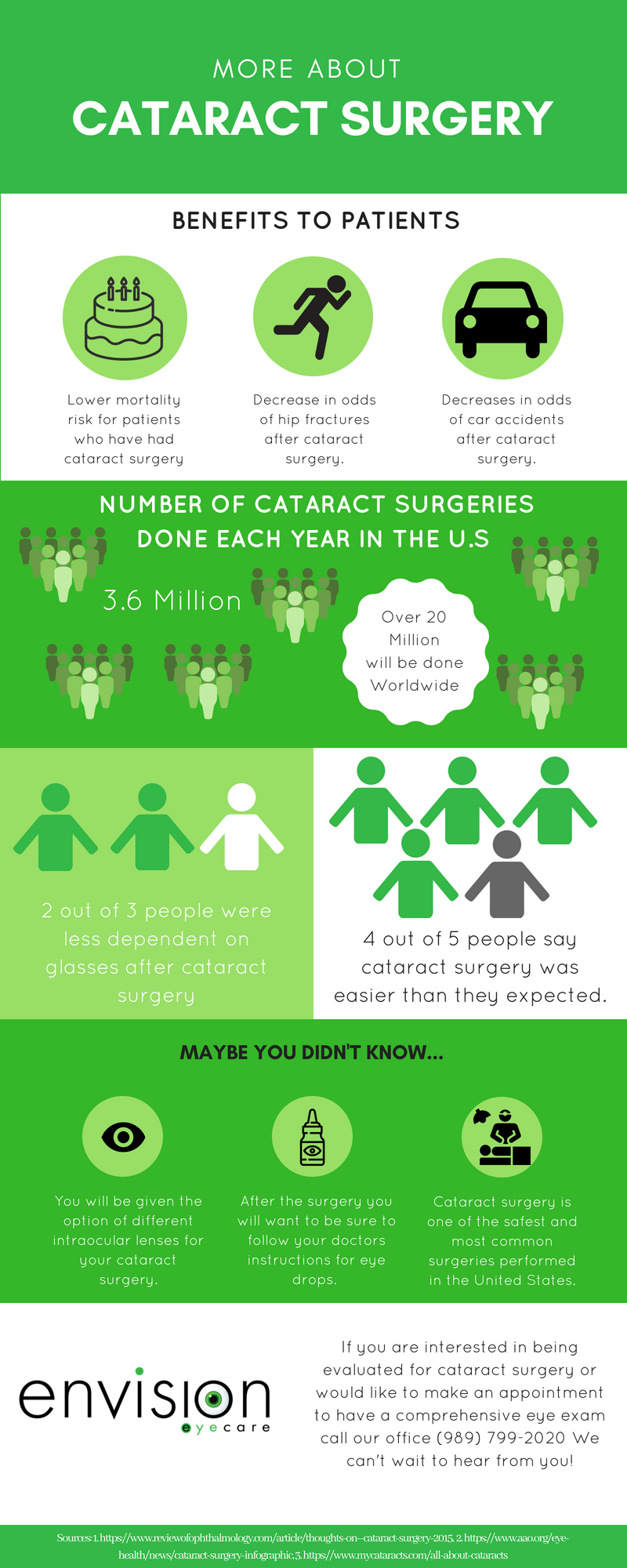
One of the key features of lens replacement surgery is its ability to present different options in choosing lenses. Patients may choose from traditional mono-focal lenses to premium lens implants, which can encompass lens implants that adjust and lenses with extended focus. These superior options are designed to enable patients to get improved clarity at multiple distances, potentially reducing the necessity for eyewear or corrective lenses after surgery. As the need for customized vision correction increases, custom lens replacement is emerging as an important part of conversations about refractive procedures.
While lens replacement surgery can be an successful solution, it is vital for patients to consider both the pros and drawbacks associated with the operation. Grasping the likelihood of complications, recovery process, and the eligibility criteria is crucial for anyone thinking about this surgery. A thorough consultation with an experienced lens replacement surgeon can help evaluate personal circumstances and decide whether lens replacement surgery is the best choice for each individual's sight improvement requirements.
Eligibility and Anticipations
Assessing eligibility for lens replacement procedure involves several criteria that must be carefully evaluated. Ideal candidates usually consist of individuals with significant refractive errors, such as high myopia or presbyopia, who are looking for long-term vision correction solutions. Patients should be overall healthy, without ocular conditions, and at least 21. A thorough evaluation by a experienced eye care professional can help determine whether you fulfill the requirements for this surgery.
Understanding what to anticipate can significantly calm candidates' minds as they get ready for lens replacement surgery. The procedure is designed to substitute the eye's innate lens with an implantable one, providing the possibility for improved vision without the need for glasses or contacts. It is important to go over the types of lens options available, such as accommodating or wider range lenses, so that you can make an informed decision suited to your preferences and sight requirements.
After the procedure, patients should be aware of the healing timeline and what to expect in the following weeks. Initially, some discomfort or soreness is to be expected, but most individuals notice improvement in vision relatively quickly. It is crucial to adhere to your surgeon's post-operative guidelines and go to follow-up appointments to monitor healing and resolve any concerns. With the proper preparation and realistic expectations, the procedure can significantly improve quality of life for many people seeking permanent vision correction.
Cost and Financing Options
The price of lens replacement surgery can differ significantly based on multiple factors, including the type of lens chosen, the surgeon's skill, and the geographic setting of the procedure. On average, patients can anticipate to pay between two to five thousand dollars per eye for tailored lens replacement. Premium choices, such as accommodating lens implants or extended depth of focus lenses, may increase the overall cost. It is essential to talk about all possible costs with your surgeon during the initial consultation, as they can provide a thorough breakdown customized to your individual needs.
Payment solutions for lens replacement surgery are offered for those who may not be able to afford the procedure upfront. https://www.bankrate.com/taxes/tax-deductions-for-medical-expenses/ provide flexible payment plans, enabling patients to make regular payments over time. Moreover, Personalized Lens Replacement specialize in procedures like lens replacement surgery and can provide affordable or no-interest loans. Utilizing HSA or Flexible Spending Accounts (FSA) can also help patients navigate their costs, as these accounts enable users to cover medical expenses with pre-tax dollars.
Insurance plans for lens replacement surgery often varies. While some insurance plans may cover certain aspects of the procedure, such as consultations or basic lens options, many do not include premium lenses or elective surgeries. It is crucial to contact your insurance provider to confirm your coverage before proceeding. Also, for those considering the tax consequences, keep in mind that lens replacement surgery may be eligible as a tax-deductible medical expense. Always speak with a tax expert to understand any potential tax benefits available to you.
Recovery and Results
The healing process after lens surgery operation varies from individual to person, but many clients experience a fairly quick turnaround. Most clients notice an improvement in their vision within the first few days post-operation. It's typical to experience some unease or mild sight-related disturbances, such as halos or brightness, as the sight organs heal. Eye drops are usually prescribed to reduce swelling and prevent contamination, and it is important to follow the aftercare instructions provided by your doctor closely.
During the initial weeks, patients should avoid heavy-duty activities and lifting heavy objects to facilitate best healing. Follow-up appointments with the ophthalmologist are vital to monitor the recovery progress and address any concerns. As the sight organs continue to heal, vision typically stabilizes between 1 to 3 months after the procedure, at which point clients can expect clearer, more reliable vision compared to their before the operation state.
The general outcomes of lens surgery are typically positive, with elevated satisfaction rates reported among clients. Many find they can achieve their desired vision goals, often eliminating the need for glasses or contact lenses. While some risks and issues are possible, most patients find that the advantages, including the ease of long-lasting sight improvement and improved quality of life, far surpass any potential disadvantages, making lens replacement a compelling option for those seeking sight improvement.